Longer Contracts Are Good. Fair Contracts Are Better.
It's encouraging to see more forest owners and managers offering longer-term contracts. Greater certainty helps contractors invest in machinery, train staff, and build stronger businesses.
However, a three- or five-year contract without any rate review can leave contractors significantly worse off over time.
Labour costs, fuel, insurance, compliance, parts and maintenance costs don't stand still. Yet many contracts still lock rates in place for years. When that happens, contractors end up absorbing inflation and rising costs, reducing profitability and making it harder to invest in people and equipment.
Every multi-year contract should include an annual review of rates. A simple review mechanism based on CPI, PPI and labour cost movements, ideally aligned with Living Wage increases, helps ensure contracts remain fair for both parties.
The same principle applies to fuel. Diesel is one of the largest and most volatile costs in forestry. Contracts should include a Fuel Adjustment Factor (FAF), reviewed monthly where possible, so fuel price movements are shared fairly rather than carried solely by the contractor.
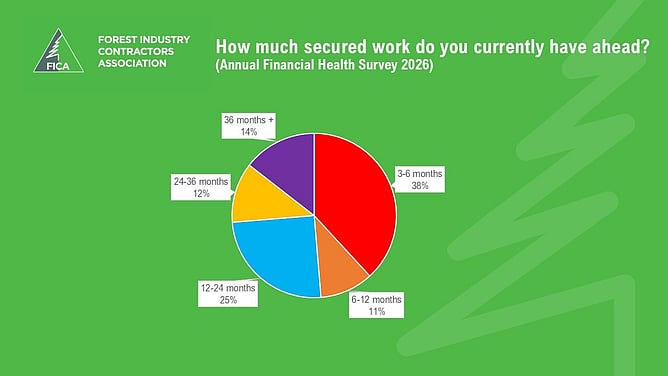
Recent contractor financial health surveys have also shown that many contractors still operate with less than 12 months of secured work ahead. This sits uneasily with the reality that contractors often have significant investments in machinery, debt commitments, and highly skilled staff who require ongoing training and retention.
For contractors, the message is simple: when negotiating contracts, make sure there is a clear annual review process for labour and operating costs, and a Fuel Adjustment Factor.
For forest owners and managers, sustainable contractors are essential to sustainable forests. Longer-term contracts provide certainty, but only if they include mechanisms that recognise changing costs over time.
A fair contract is not one that fixes rates forever. A fair contract is one that allows both parties to remain viable throughout its life.