
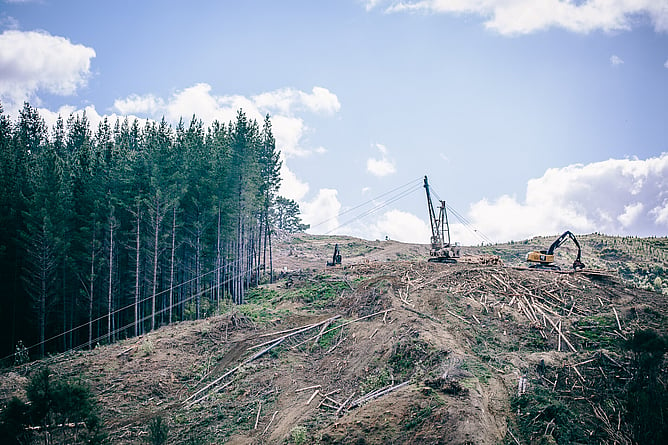
When a cable yarder has been operating for 20, 30 or even 40 years, modifications are inevitable. Engines are repowered, control systems upgraded, brakes replaced, hydraulics improved and, occasionally, structural changes are made. The question is not whether modifications will occur, but how we ensure they are undertaken safely, consistently and with appropriate oversight.
That issue was one of the key topics discussed at the recent Forestry Tower Inspectors Workshop, attended by almost every active tower inspector in New Zealand. Workshop participants identified a need for greater clarity in the Engineering Safety Inspections of Cable Log Yarders Best Practice Guidelines regarding what modifications require Chartered Professional Engineer (CPEng) certification and what work can appropriately be carried out by other suitably competent specialists.
Following the workshop, FICA has worked with inspectors and industry stakeholders to develop a proposed amendment to the Best Practice Guide.
What is being proposed?
The proposed changes clarify that:
Major structural modifications to a yarder tower, tower mounting points or other load-bearing structures would require assessment and certification by a suitably experienced CPEng.
Examples include structural alterations, changes to tower mounts and the addition of sheaves that could affect load paths.
Routine upgrades or replacements of engines, transmissions, torque converters, clutches, brakes, hydraulic systems and operating or control systems would not automatically require structural certification, provided the work is carried out by a suitably competent person.
A clearer definition of "suitably competent person" would be added, together with practical examples of the types of people qualified to undertake different forms of modification work.
A corresponding amendment is also proposed for modifications to OEM control systems, including joystick conversions and software modifications.
Why the change?
The workshop recognised that many older yarders have undergone modifications over several decades, often with limited historical documentation. Participants agreed that requiring retrospective engineering certification for historic modifications would be impractical. Instead, the focus should be on ensuring that future modifications are appropriately designed, documented and verified by people with the relevant expertise.
The objective is to improve clarity, consistency and safety while avoiding unnecessary cost and downtime for routine machinery upgrades.
Consultation Open Now
Before any amendments are finalised, FICA wants to hear from contractors, tower inspectors, engineers, machinery specialists, forest managers and others with an interest in cable yarder safety.
The proposed changes are intended to take effect from 1 September 2027 (subject to confirmation), providing the industry with ample time to understand and prepare for the revised requirements.
Have Your Say - Feedback closes 30 October 2026.
Copies of the proposed amendments are available from FICA. Please send comments, suggestions or concerns to Rowan@fica.org.nz.
This is your opportunity to help shape industry best practice and ensure the guidelines remain practical, relevant and focused on improving the safety of New Zealand's cable logging operations.
The best safety guidance is developed by the people who use it. We encourage all interested parties to review the proposed changes and provide feedback before 30 October 2026.