
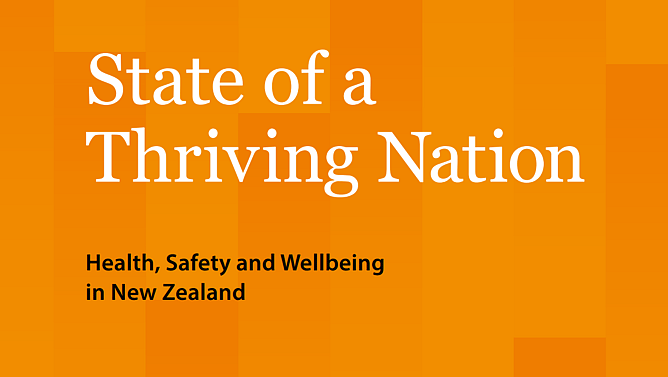
Released in September, the State of a Thriving Nation 2025 report from the Business Leaders' Health and Safety Forum provides some timely lessons for New Zealand forestry. The Forum represents more than 440 business and government leaders and publishes the report annually to assess New Zealand's health, safety and wellbeing performance.
Forestry is identified as one of New Zealand's highest-risk industries, but the report's most important message is not that we need more compliance. Instead, it challenges the belief that health and safety improvements come from simply adding more paperwork, reporting and audits. The report argues that the best results come when safety is integrated into productive work systems and improves the way work is actually done.
This is particularly relevant for forestry. Contractors are expected to invest in safer equipment, mechanisation, training, workforce development and innovation. These investments improve both safety and productivity, but they require confidence about future work.
That's where the report's comments on procurement and contract arrangements become important. It notes that businesses are more likely to invest in safety and innovation when they have longer-term, stable contracts and clients who support capability rather than simply purchasing on lowest price.
This aligns closely with findings from FICA's latest financial health survey. While 51% of contractors reported high confidence in future demand, 38% had only three to six months of secured work ahead and almost half rely on a single forest owner or manager for most of their work. Contractors repeatedly identified security of future work and longer-term contracts as critical to business sustainability. One respondent summed it up simply: "Contracts should be for a minimum of 5 years to align with financing requirements."
If the industry wants contractors investing in modern equipment, skilled people and improved safety performance, contract arrangements must support those investments.
The report's key messages for forestry are clear:
Forestry remains one of New Zealand's highest-risk industries.
Safety and productivity go hand in hand.
Health and safety should improve the way work is done, not simply add compliance costs.
Contractors need confidence in future work to invest in people, equipment and innovation.
Procurement should reward capability, performance and safety investment, not just lowest cost.
For forest owners and managers, the report is a reminder that the conditions that create productive contractors are often the same conditions that create safe contractors. Stable work programmes, fair procurement processes and investment in capability are not just good business practices. They are also fundamental building blocks of better health and safety outcomes.