
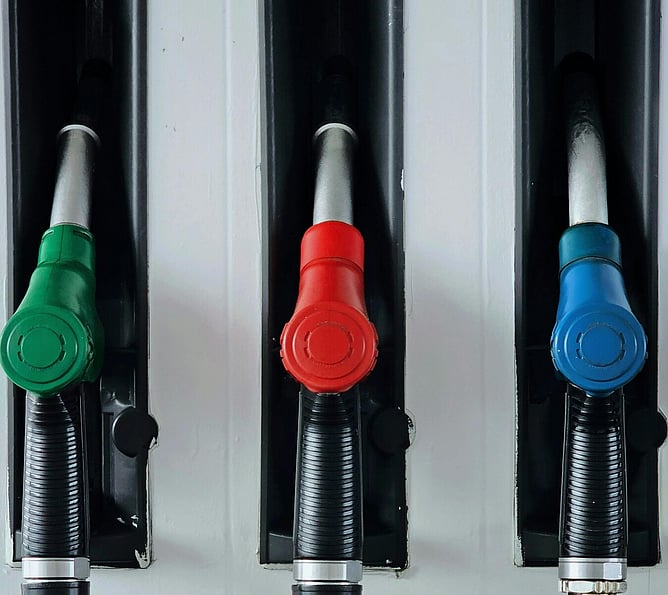
There’s no escaping the fact that the fuel situation is putting serious pressure on contractors right now. Over recent weeks FICA has received a steady stream of calls from members who are feeling the impact daily – not just on margins, but on decisions about how work is carried out.
What’s been encouraging is the number of practical, common sense steps contractors are already taking to reduce fuel burn wherever possible.
One contractor in Tairāwhiti told me they have parked up two Toyota Hiluxes – with the fuel bill alone sitting at around $3,000 per month for one vehicle, the numbers simply no longer stacked up. Another contractor has turned off air conditioning in machines, reporting around an 8% reduction in fuel burn. Others are throttling machines back to around 80%, accepting a modest productivity trade off in return for meaningful fuel savings.
These are not radical moves – they’re pragmatic responses to extraordinary conditions.
Practical fuel saving measures contractors are using
Across the country, contractors are tightening things up in a number of areas, including:
Reducing light vehicle use – fewer vehicles, better planning of trips, car pooling between sites
Operator behaviour – avoiding unnecessary idling, smoother machine operation, using power only when needed
Machine settings – lower engine revs where appropriate, using eco modes if available
Site planning – shorter extraction distances, smarter landing layouts where feasible
Maintenance – clean air filters, correct tyre pressures, well maintained machines burn less fuel
Turn it off – air con, lights and auxiliary systems when they’re not needed
Individually these changes might look small. Combined, they can make a material difference to the monthly fuel bill without compromising safety.
A line we must be careful not to cross
However, FICA is increasingly concerned by reports that, purely due to fuel and cost pressures, some contractors are parking up felling machines and re introducing manual tree falling as the primary method of felling.
This is not a decision that should be taken lightly.
Manual tree falling is well recognised as one of the most hazardous tasks in forestry. The industry has spent years – with strong backing from forest owners, WorkSafe and FISC – reducing exposure to manual felling wherever mechanical alternatives exist.
A move back to manual tree falling might reduce fuel use, but it significantly increases risk to workers. It also increases exposure for contractors and forest owners under current health and safety expectations.
Talk before you park machines
If you are considering parking a felling machine solely because of fuel or operating costs, FICA strongly recommends you first:
Understand your numbers, is your assumption that going back to manual tree falling best for your business actually correct? You need a robust process to document how you have come to this decision and that there is a material cost difference between manual and mechanised falling. Talk to your accountant or other contractors.
Talk to your Forest Owner or Manager. Be upfront about the numbers. Ask a simple, practical question: “What additional rate increase would be required to keep mechanical felling operating?”
Most forest managers are very strong advocates for mechanical felling, for good reason. Many are also aware of the increased risk profile associated with reverting to manual felling and may be prepared to share some of the cost, particularly in the current environment.
These conversations need to happen before machines are parked and risk is increased.
Keep the focus on smart efficiencies, not higher risk
There is no doubt contractors are under pressure. Fuel costs are real, immediate and painful. But the goal must be to strip out inefficiency, not to re introduce risk.
Fuel saving measures like:
vehicle rationalisation
operator practice
machine settings
smarter planning
are all sensible levers to pull.
Reverting to manual tree falling as a primary method because of fuel costs alone is a step too far, unless there are no mechanical options available.
If you’re facing these decisions and want to talk them through, contact FICA we can put you in touch with other contractors to talk to. These are exactly the situations where having a conversation early can prevent problems down the track – for you, your crew and the wider industry.
Let’s keep the industry safe, pragmatic and open, even under pressure.